Crew Training & Competence
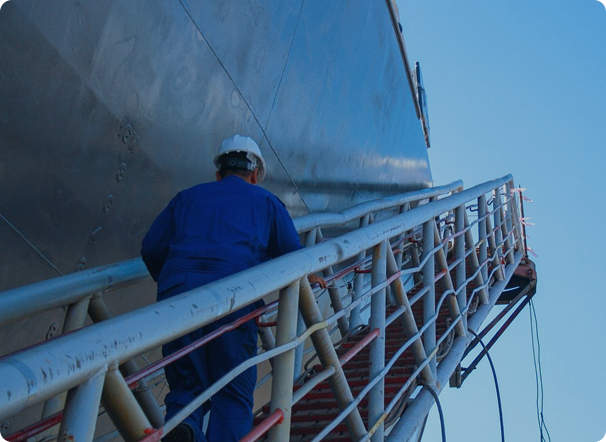
INTERCARGO recognises that maintaining high levels of crew competence is essential for safe ship operation and effective risk management. The Association advocates for continuous improvement in training standards and supports the development of new training provisions for emerging technologies and fuels.
COVID-19 Response
During the COVID-19 pandemic, INTERCARGO was actively involved in addressing operational and humanitarian challenges, including crew change constraints, access to medical care, and the broader impact on seafarer wellbeing. The Association advocated for practical solutions and supported the welfare of seafarers throughout the crisis.
Fair Treatment of Seafarers
INTERCARGO advocates for the fair treatment of seafarers, especially in cases involving detention, investigation, or enforcement action. The Association supports the application of due process and proportionality, and works to ensure seafarers’ rights are respected globally.
Shore Access & Visas
Recognising the importance of shore access and visa arrangements for seafarer welfare, fatigue management, and compliance, INTERCARGO monitors and raises concerns about restrictions, advocating for improved access and international standards.
Crew Injury & LTIF
INTERCARGO tracks safety performance indicators, including crew injury data and Lost Time Injury Frequency (LTIF), to support learning, benchmarking, and continuous improvement in safety across the dry bulk sector.
Criminalisation of Seafarers
The Association remains engaged on issues related to the criminalisation of seafarers, advocating against inappropriate criminal liability and in support of fair and transparent legal processes following maritime incidents.
Stowaways & Rescue of Migrants
INTERCARGO addresses the operational, legal, and humanitarian challenges associated with stowaways and the rescue of migrants, highlighting the disproportionate burdens placed on ship operators and calling for coordinated international solutions.