"INTERCARGO closely follows and contributes to regulatory and technical developments related to marine fuels, fuel quantity, and fuel quality at the IMO. This includes active monitoring of discussions and outcomes under the IMO Committees and Sub-Committees, notably the CCC, PPR, MEPC, and MSC, as well as relevant Intersessional Working Groups (ISWG).
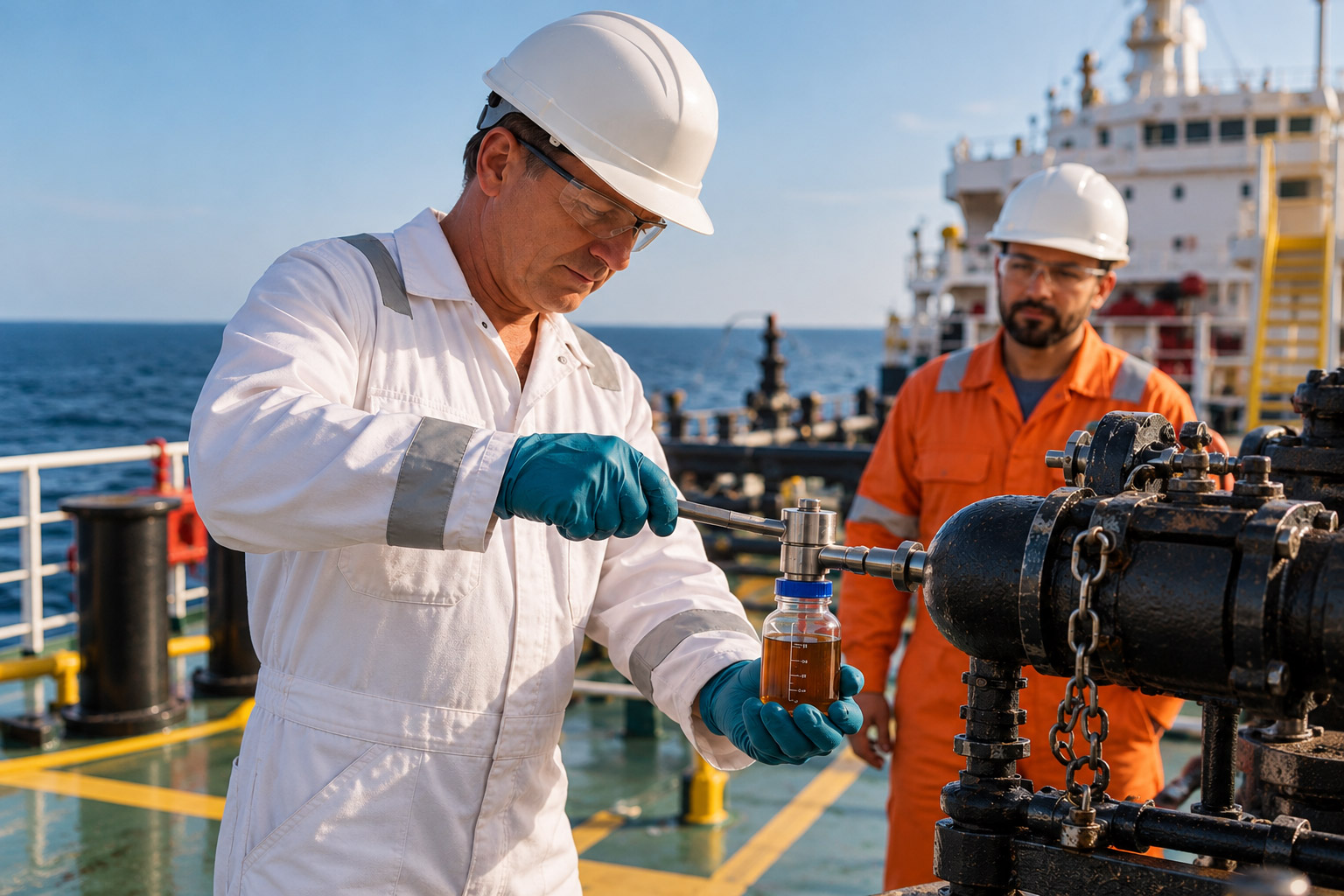
Through this engagement, INTERCARGO provides Members with timely updates and practical insight on issues such as fuel specifications, fuel sampling and testing, bunker quantity measurement, safety implications, and the operational challenges associated with both conventional and alternative fuels. The Association aims to support robust, enforceable, and consistent regulatory approaches that reflect the realities of dry bulk operations."
INTERCARGO's Emission Working Group activly particiaptes in IMO Correspondacne Groups related with the Development of the Guidlines for the use of ALTERNATIVE FUELS and Development of Technical Provisions for Safety of Ships Using Alternative Fuels.
INTERCARGO actively tracks developments in alternative fuels and related technologies that have the potential to shape the future of dry bulk shipping. This includes monitoring international regulatory progress, commercial adoption trends, technical feasibility considerations, and safety implications for emerging fuels such as ammonia, hydrogen, methanol, biofuels, and others.
Through regular updates—such as the SELECTED HEADLINES ON ALTERNATIVE FUELS & TECHNOLOGIES provided on a monthly basis—INTERCARGO provides its Members an overview of most important developments across the broader maritime ecosystem to support strategic decision–making for operators considering fuel transition pathways.